Welcome to AWAJU
Advocates for Water Justice (AWAJU) is Coalition of activists, feminists and grassroots women’s groups and organizations building a collective, community-based movement for democratic water access, allocation, management and policy in Uganda.
Media Campaigns
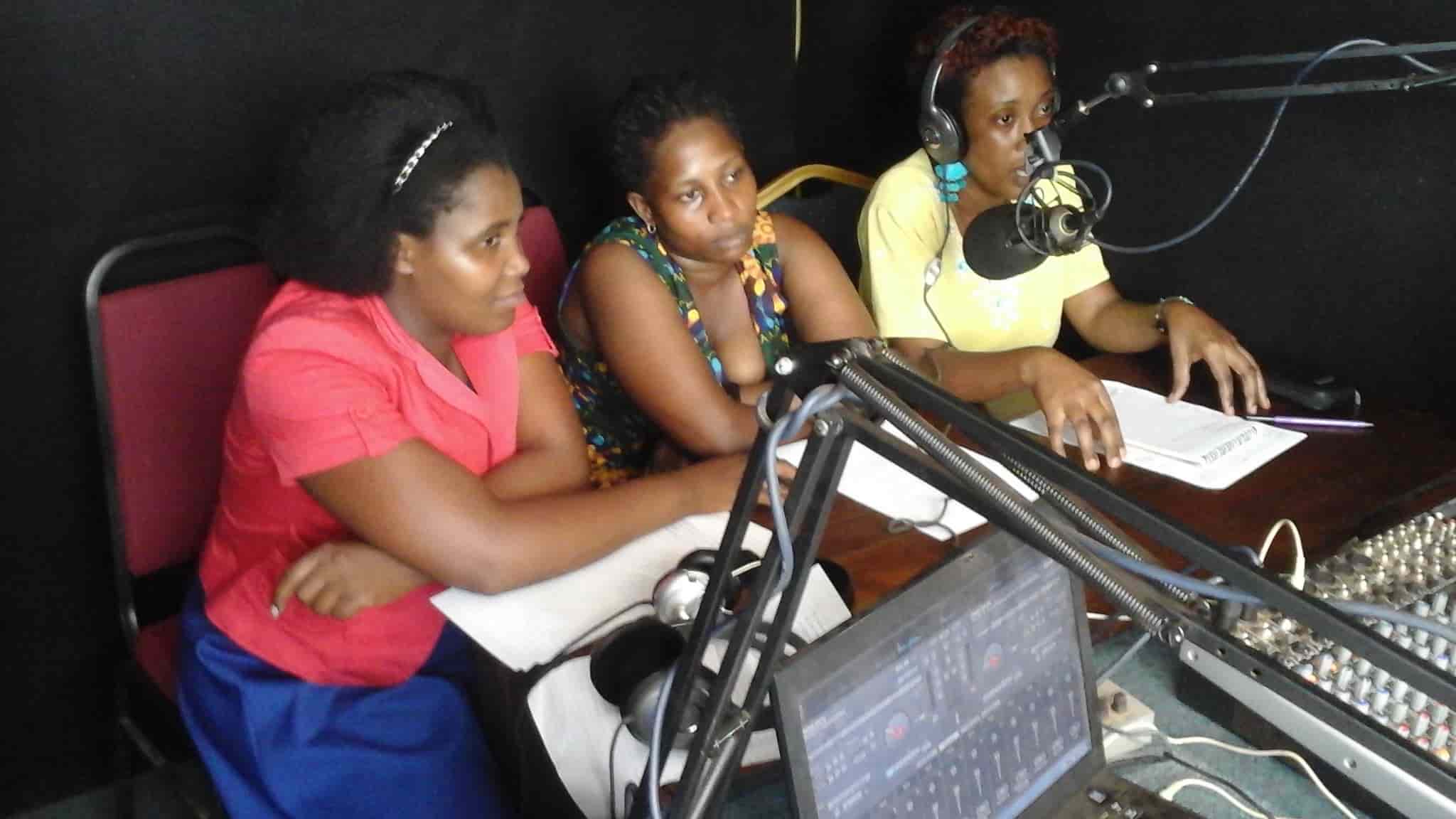
We conduct media campaigns to put the authorities on the spot, pointing out how the Privatization of water is expensive and lead to water cut-offs and outbreaks of diseases.
Capacity Building
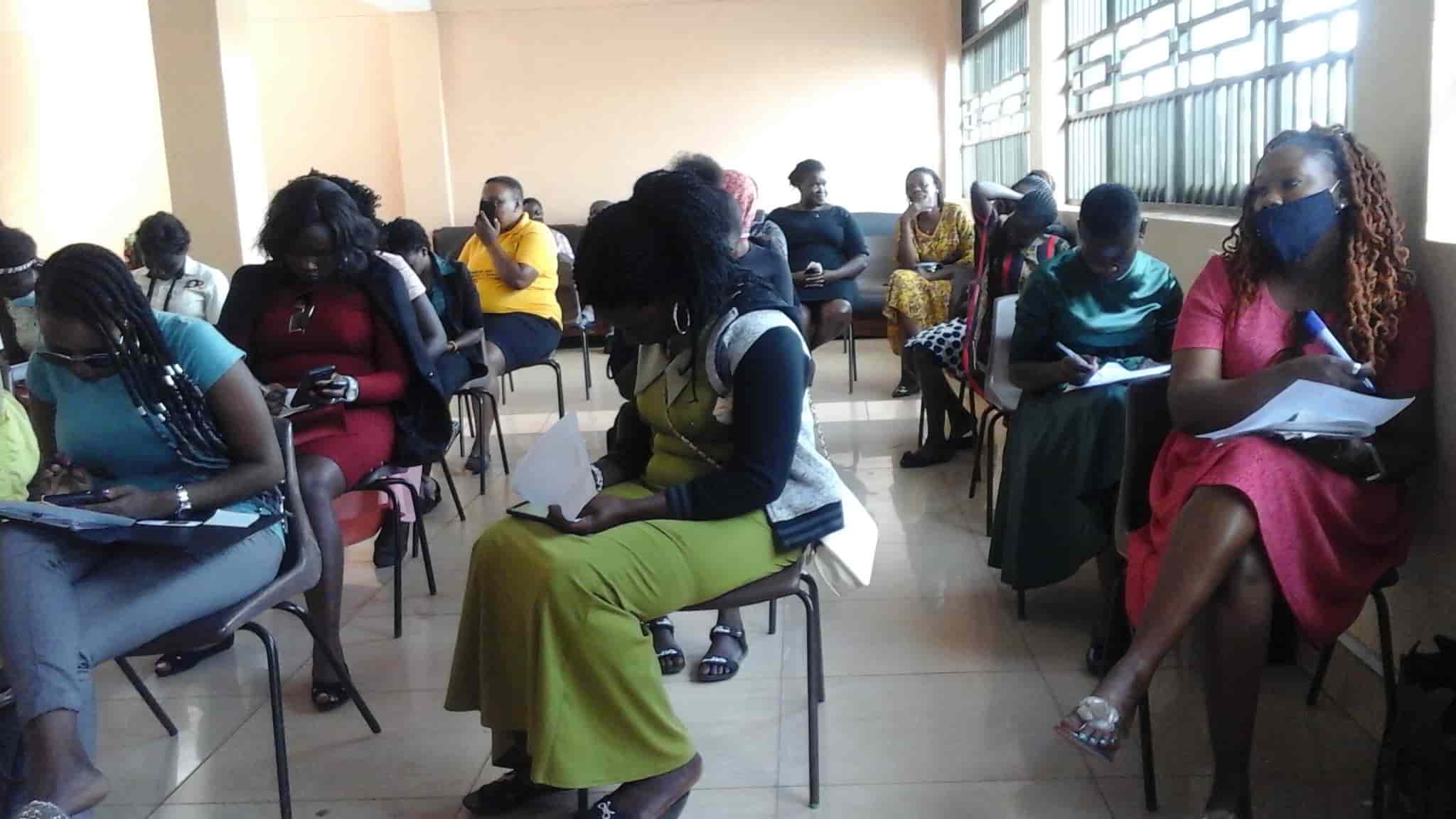
Build capacity of environmental and climate justice activists to develop popular and political education on water justice struggles in Uganda.
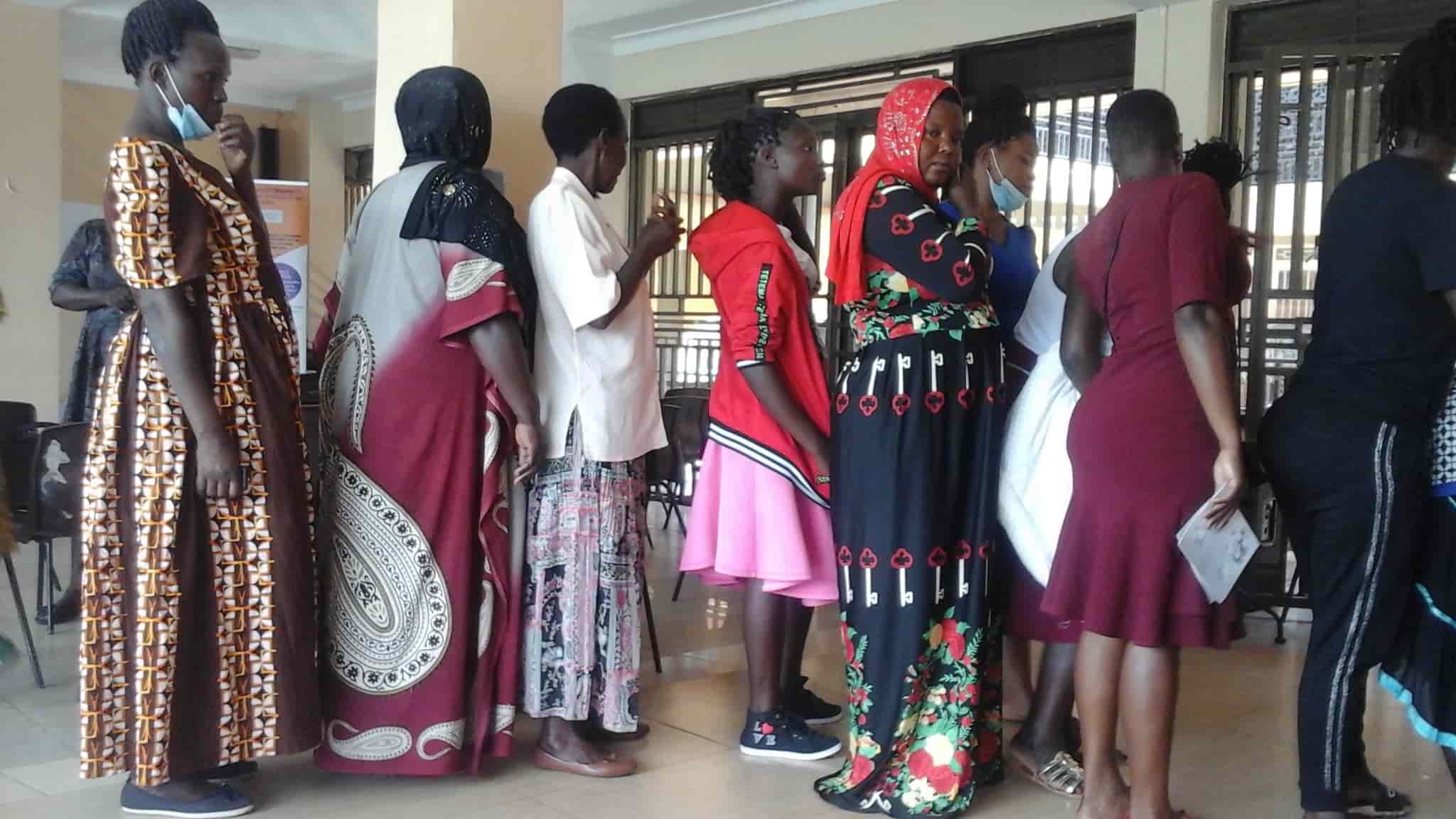
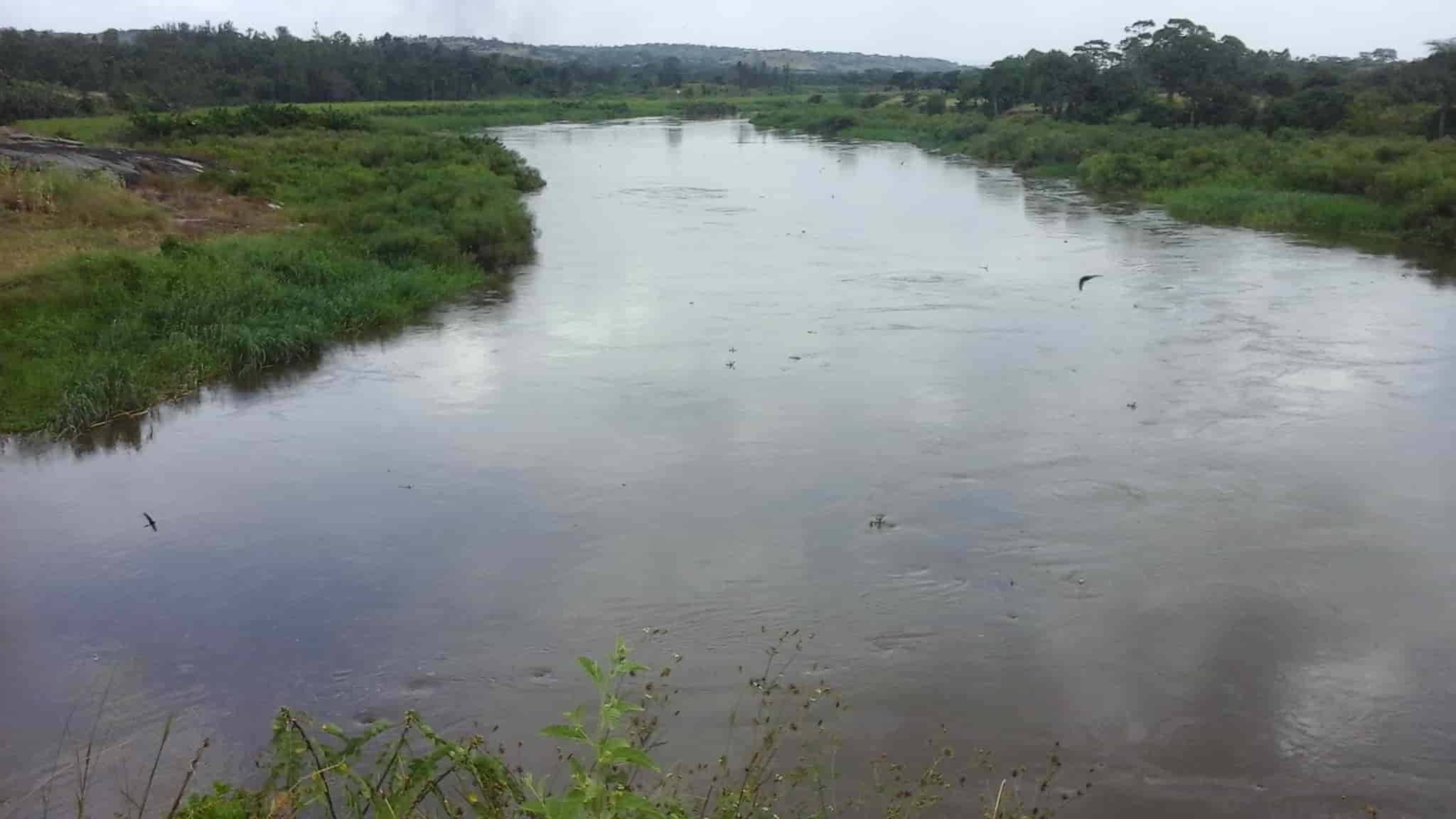
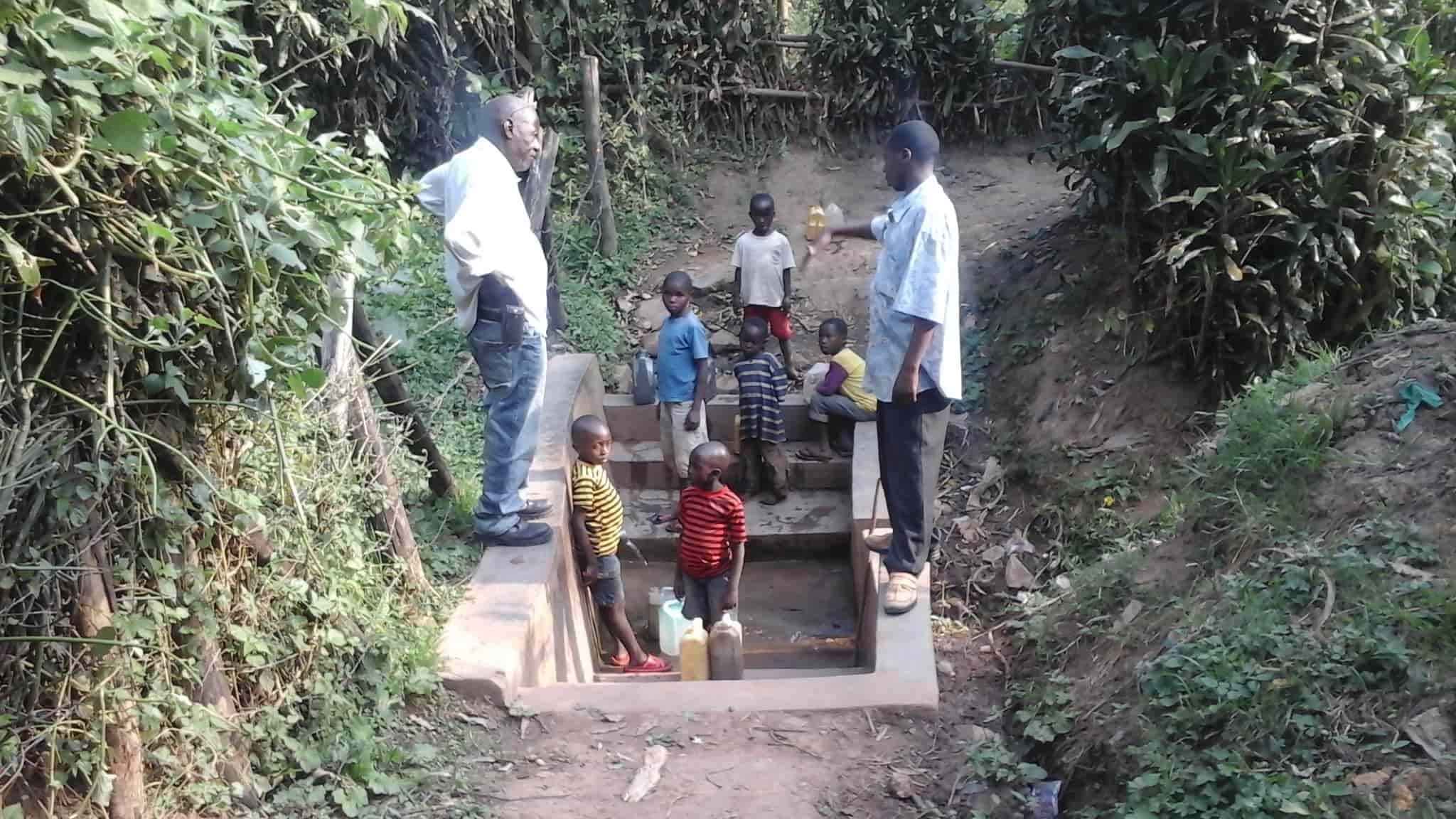
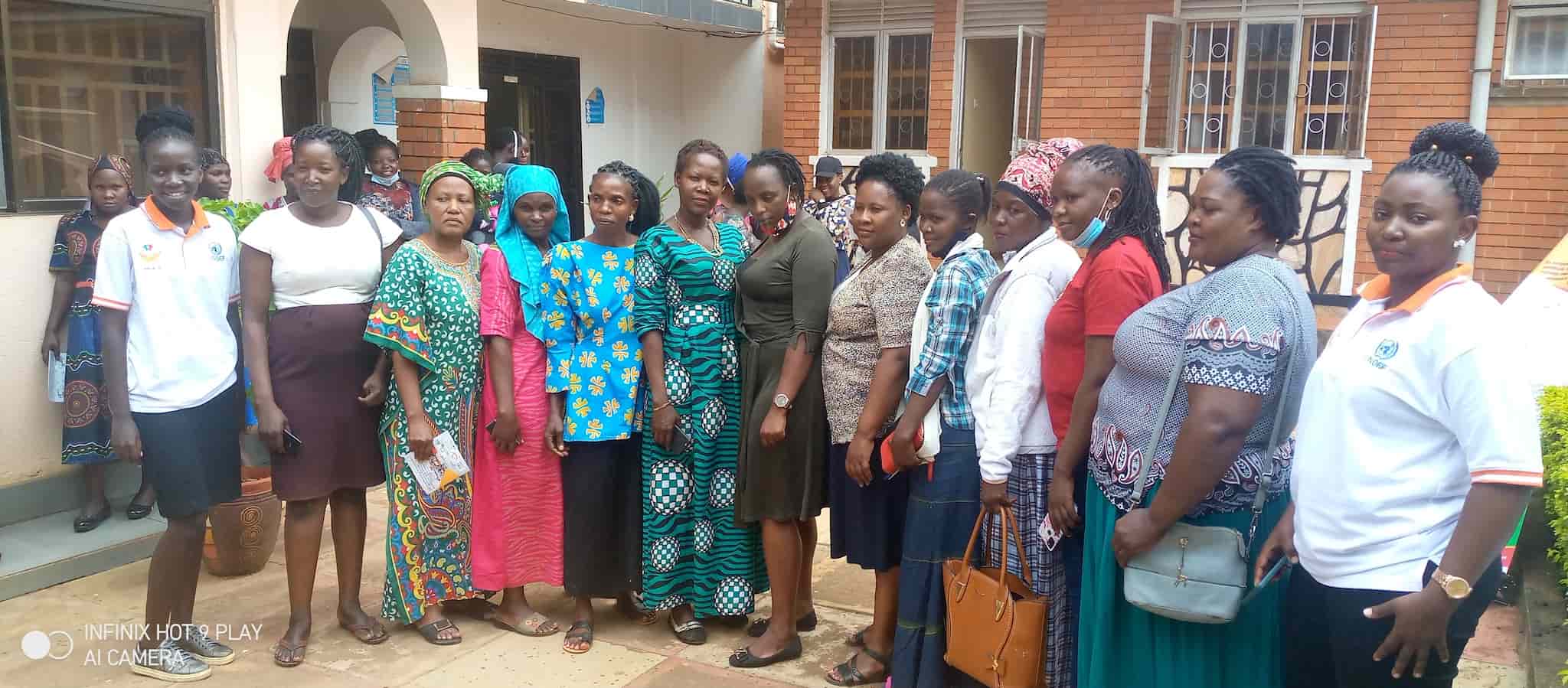
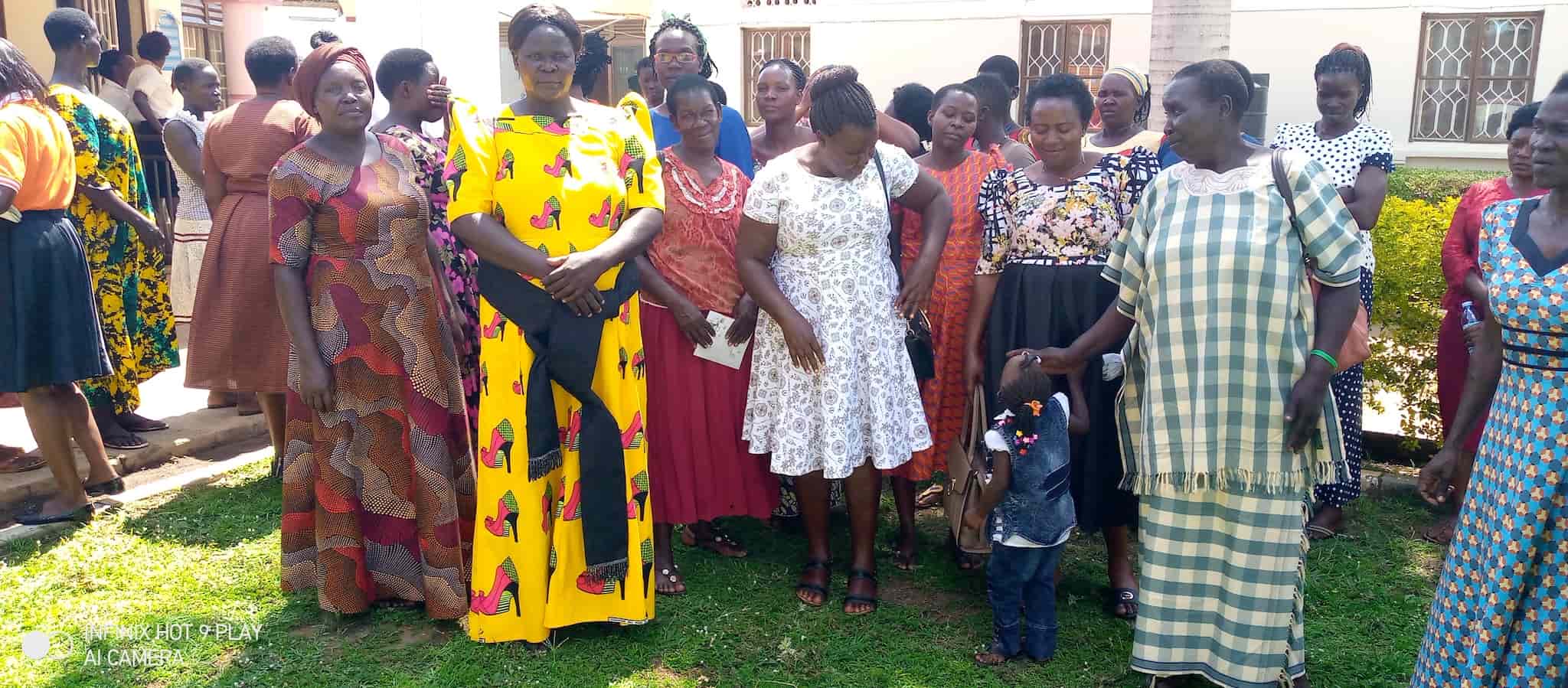
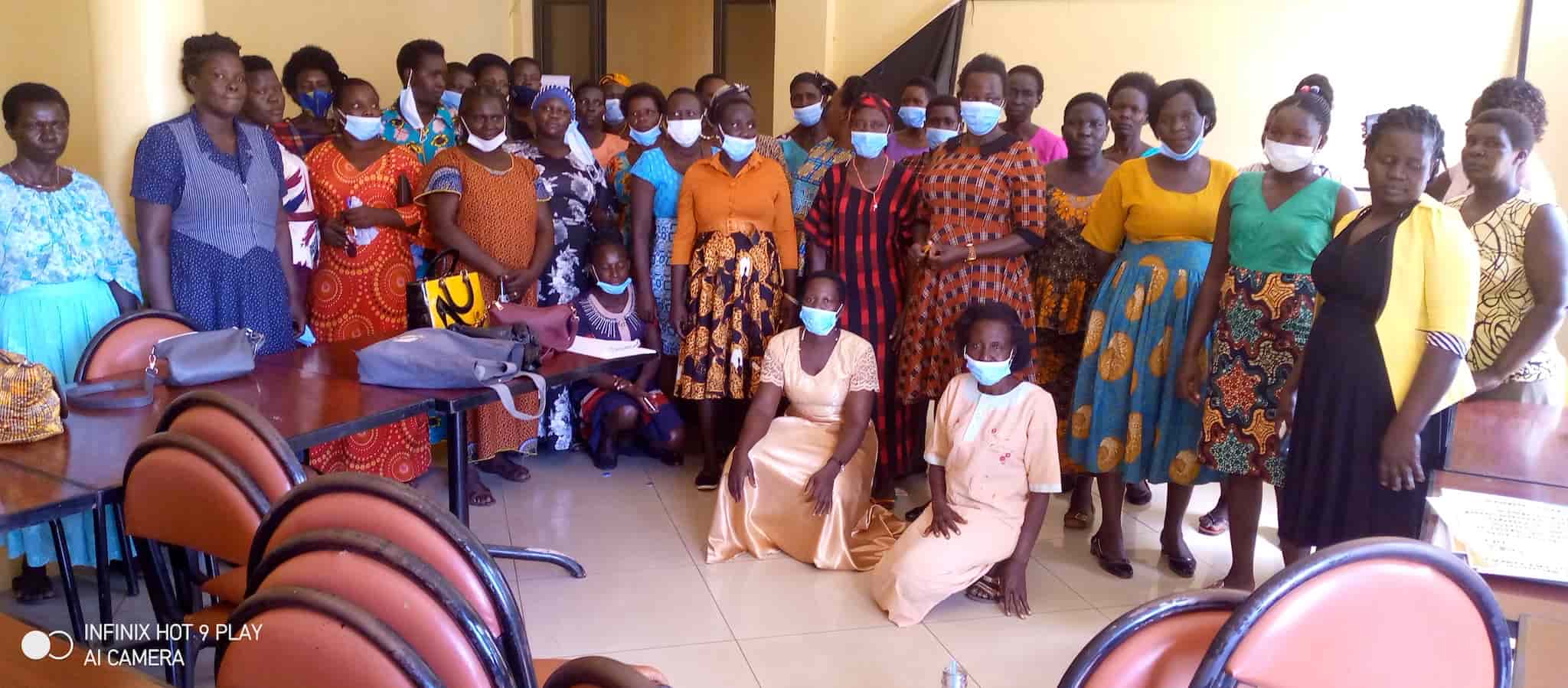
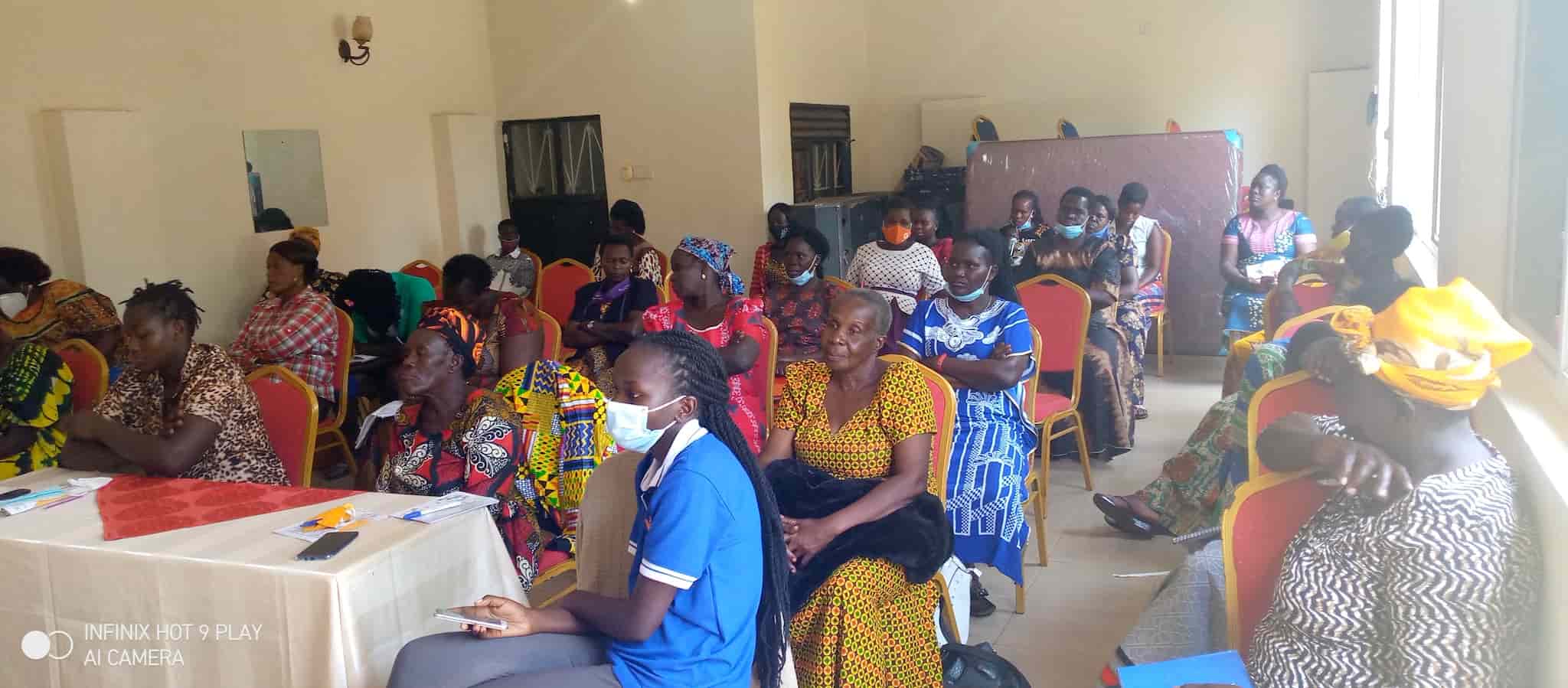
About Advocates for Water Justice
Key facts on Water Justice
- Women are disproportionately disenfranchised bygrowing privatisation of water in Uganda.
- Turning water into a commodity creates more hardship for women in marginalized communities.
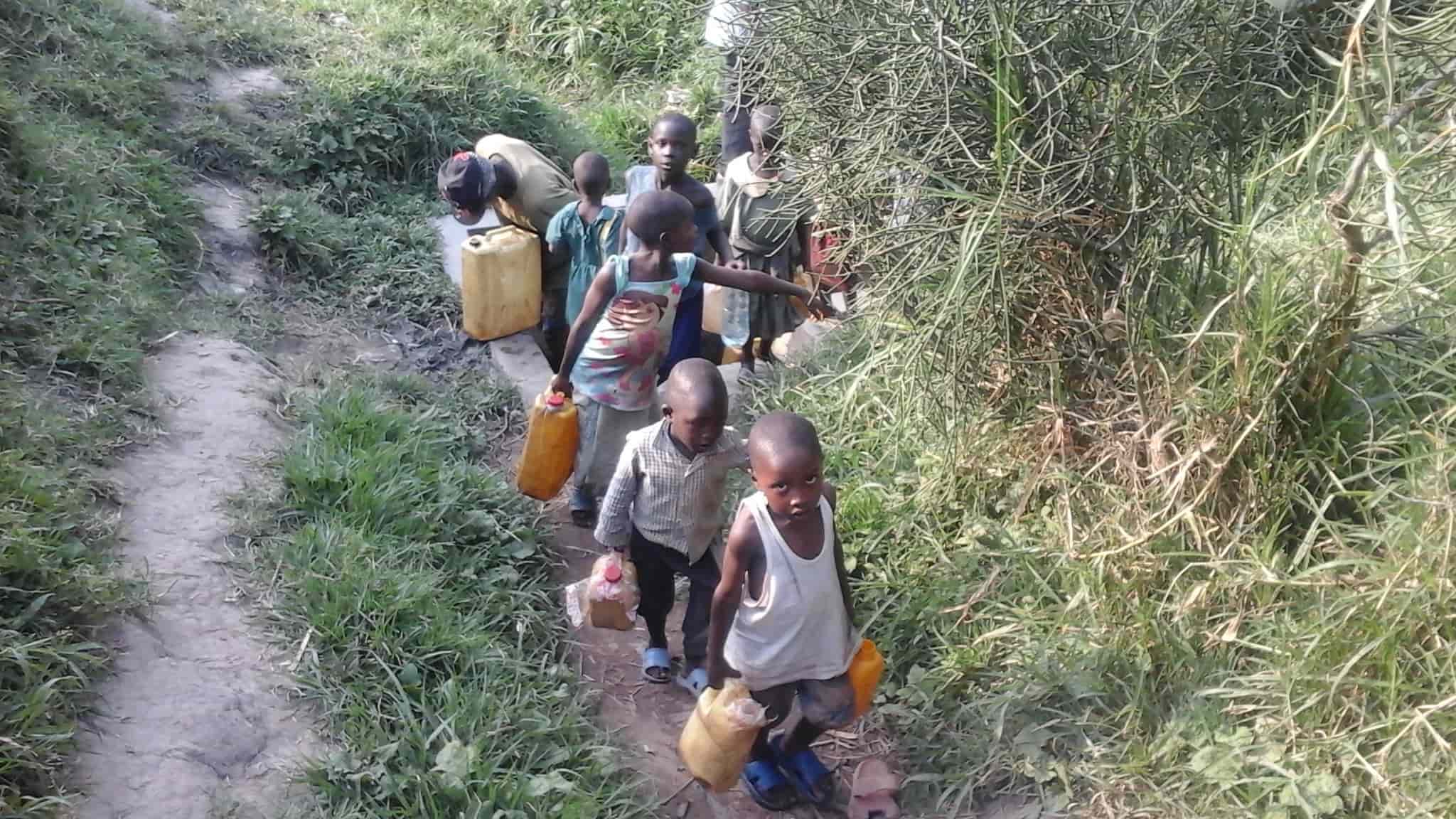
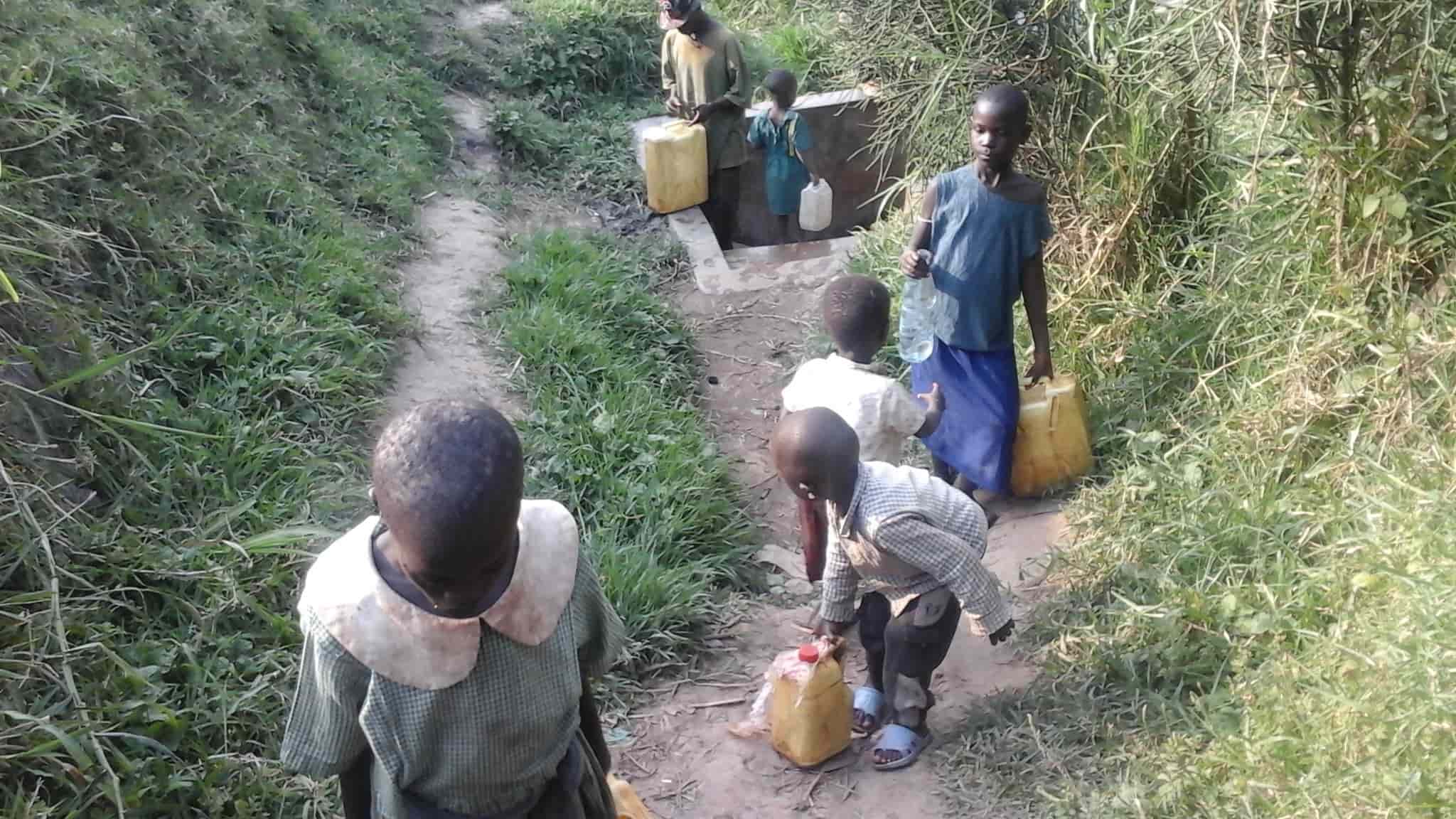
- When women are unable to pursue their livelihoods and stuck at home, it inevitably creates tensions, leaving women vulnerable to domestic abuse while risking sexual assault as they must walk long distances in search of water
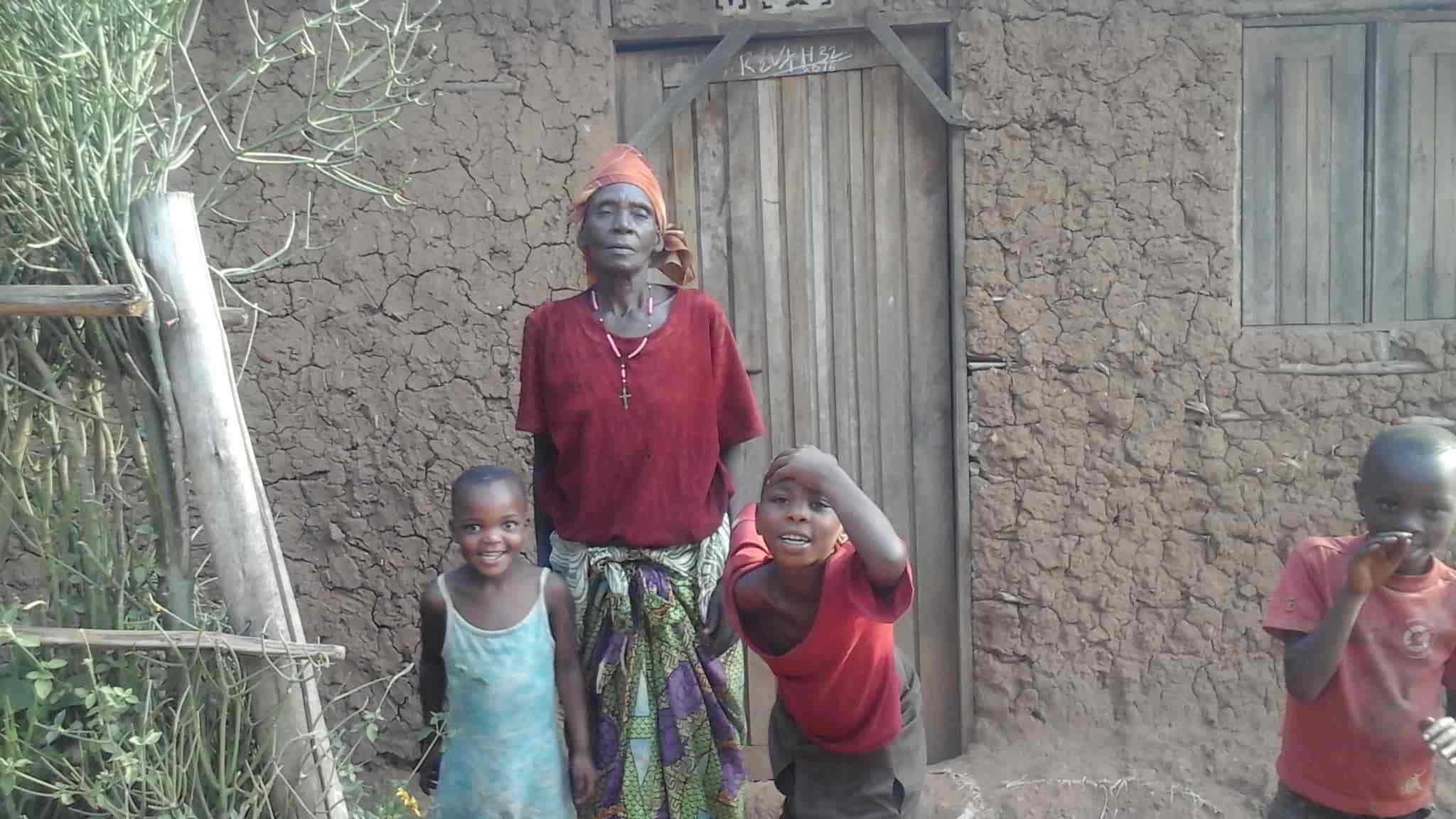
- In Uganda, it is women who bear the brunt of lack of water. Lack of water affects women’s health and livelihoods as well as that of their families and wider community.
- Existing inequalities prevailing in women’s lives, especially in the realms of health, housing, sanitation and gender-based violence, all intersect with water scarcity.
- Water is at the heart of the climate crisis. The climate crises require that we treat water as a political and feminist issue that necessitates a political solution driven by strong grassroots social justice movements.
- Water is an intersectional issue that cuts across food production, health, housing, sanitation and climate change
- From the experiences of Women human rights defenders working on environmental justice, activists are being targeted and killed while fighting corporations and governments
- Water justice for women involves ensuring equal, safe, and sustainable access to water, recognizing them as primary managers rather than just victims of scarcity. Due to climate change and systemic inequality, women often bear the heaviest burden of water collection, facing risks to their safety and health. Centering women's leadership in water governance is essential to achieving SDG 5 and SDG 6
Advocates for Water Justice (AWAJU) is Coalition of activists, feminists and grassroots women’s groups and organizations building a collective, community-based movement for democratic water access, allocation, management and policy in Uganda.
Our Mission
AWAJU’s mission is to educate, empower, and nurture a coalition that serves as a women’s voice and an effective advocate for water justice in Uganda.
Our Vision
AWAJU’s vision is having a Safe Environment where Women have access to safe and affordable water.
Our Goal
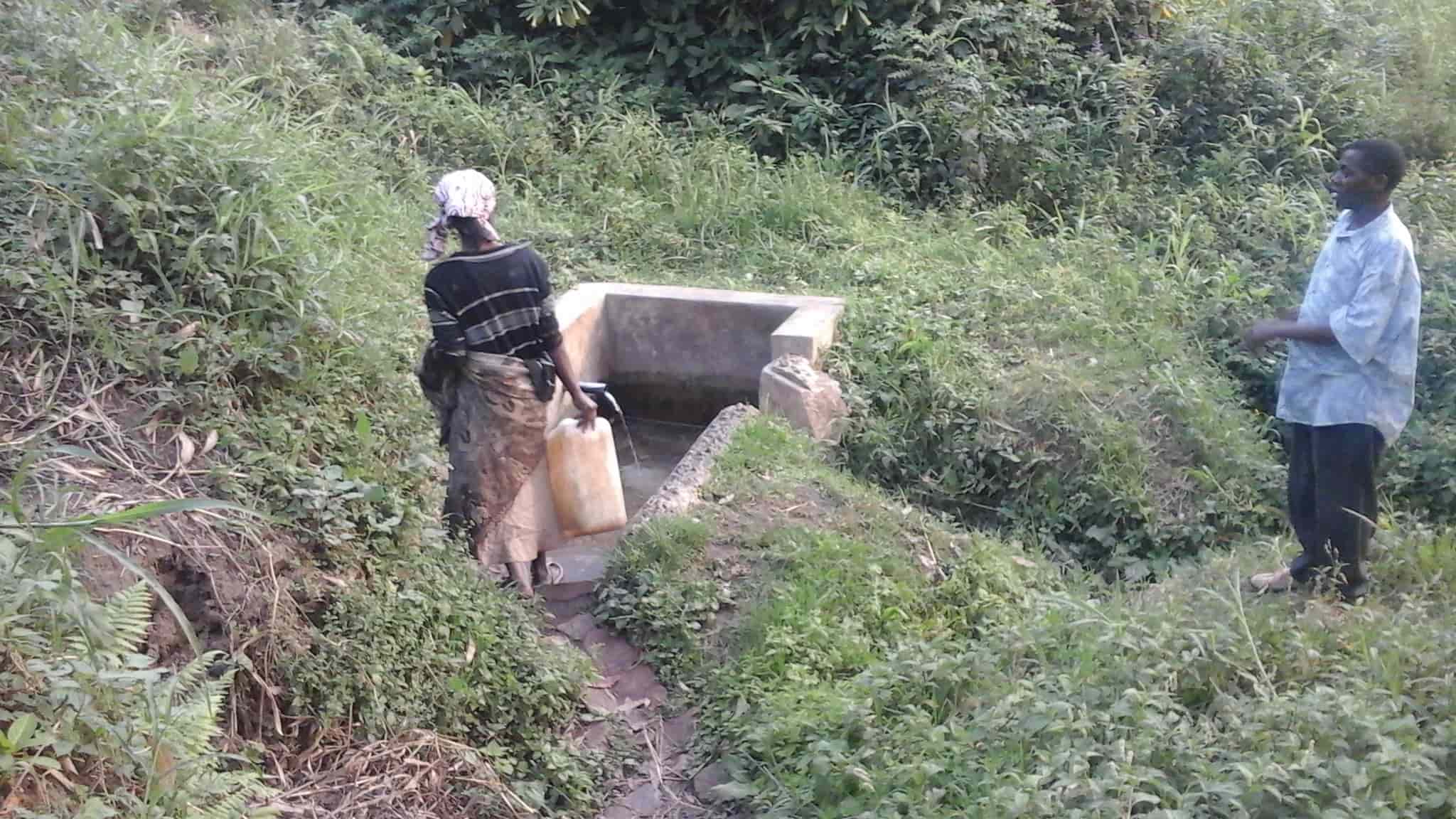
To empower women to advocate for access to clean, safe, and affordable water. For us women, the water crisis is personal. Women are responsible for finding a resource their families need to survive - for drinking, cooking, sanitation and hygiene. Many women may stand in line and wait for water, they may walk long distances to collect water, or they may pay exorbitant amounts of money to secure water. In their efforts to get water for their families, they often face an impossible choice - certain death without water or possible death due to illness from dirty water.
Our Objectives
- Mobilizing Women to resist privatization of water services in Uganda.
- Establishing and strengthening grassroots networks and coalitions for water justice across Uganda
- Campaigning for democratization systems of water control and access that are motivated by public service rather than private sector enterprises seeking to maximize profit.
- Mobilizing communities against the installation of costly water metres that limit the amount of water received in a day
- Mobilizing diverse activists and create a platform for sharing experiences and strategies
- Security and protection for women water activists who face a fierce backlash due campaigning around water control and access
Our Networks
Western Uganda Water Justice Networks and Coalitions
- Kigezi Water Justice Network (KWAJUNET) covering districts of Kabale, Kisoro, Kanungu, Rukungiri, Rubanda and Rukiga) Districts
- Ankole Water Justice Network (AWAJUNET) covering districts of Buhweju, Bushenyi ,Ibanda, Isingiro, Kiruhura, Mbarara, Mitooma, Ntungamo, Rubirizi , Sheema, Kazo and Rwampara
- Rwenzori Water Justice Network (RWAJUNET) Covering districts of Kabalore, Kasese, Bundibugyo, Kyenjojo, Kyegerwa, Kamwenge, Kitagwenda and Ntoroko
- Bunyoro Water Justice Network (BWAJUNET) covering districts of Buliisa, Hoima, Kagadi, Kakumiro, Kibaale, Kikuube, Kiryandongo and Masindi) Districts
Northern Uganda Water Justice Networks and Coalitions
- Lango Water Justice Network (LWAJUNET) Covering districts of Alebtong, Amolatar, Apac, Dokolo, Kole, Lira, Oyam, Otuke and Kwania
- Water Justice Network Coalition of Acholi (WAJUCA) covering districts of Agago, Amuru, Gulu, Kitgum, Nwoya, Lamwo, and Pader.
- West Nile Water Justice Alliance (WENWAJA) Covering districts of Adjumani, Arua, Madi Okello, Koboko, Maracha, Moyo, Obongi, Nebbi, Pakwach, Yumbe and Zombo
Central Uganda Water Justice Networks and Coalitions
- Central South Water Justice Coalition (CESWACO) covering districts of Bukomansimbi, Butambala, Gomba, Kalangala ,Kalungu, Lwengo, Lyantonde, Masaka, Rakai and Sembabule.
- Central West Water Justice Network (CWWAJUNET) covering District of Kiboga, Kyankwanzi, Mityana, Mubende, Nakaseke, Luweero and Nakasongola.
- Central-Central Water Justice Network (CCEWAJUNET) covering districts of Mpigi, Kampala and Wakiso.
- Central East Water Justice Coalition (CEWACO) covering districts of Kayunga, Mukono, Buikwe and Buvuma) Districts.
Eastern Uganda Water Justice Networks and Coalitions
- Busoga Water Justice Network (BUWAJUNET) covering districts of Bugiri, Buyende, Iganga, Jinja, Kaliro, Kamuli, Luuka, Mayuge, Bugweri, Namayingo and Namutumba
- Water Justice Network of Busoga (WAJUNEBU) covering districts of Bududa, Bulambuli , Manafwa, Sironko and Mbale
- Teso Water Justice Network (TWAJUNET) covering districts of Amuria, Bukedea, Kaberamaido, Kapelebyong, Katakwi, Kumi, Ngora, Serere and Soroti
- Sebei Water Justice Network (SWAJUNET) Covering districts of Kapchorwa, Bukwo and Kween
- Bukedi Water Justice Coalition (WAJUCO) covering districts of Busia, Butebo, Pallisa, Tororo, Budaka, Butaleja and Kibuku
- Karamoja Water Justice Coalition (KWAJUCO) covering districts of Kaabong, Karenga, Abim, Kotido, Moroto, Lusot, Amudat, Napak and Nakapiripirit.
Our Activities
Media campaigns
We conduct media campaigns to put the authorities on the spot, pointing out how the Privatization of water is expensive and lead to water cut-offs and outbreaks of diseases.
Establishing water justice networks and Coalitions across Uganda
This involves building collaborative, multi-actor and often anti-capitalist alliances that fight against the commodification of water and for fair democratic access to clean water as a human right. These networks and coalitions often focus on empowering marginalized communities, particularly women and indigenous populations, who are disproportionately affected by water scarcity and contamination.
Water Justice Roundtables
Water Justice Roundtables aimed at bringing together activists and groups from all parts of the country working against the exclusion of poor people from water access, corporate profiteering from water, and unsustainable management of water resources.
Water justice campaigns
Holding water justice campaigns that focus on strengthening grassroots organizing and feminist movement-building. Conducting campaigns on water justice involves advocacy, community mobilization, and legal action to ensure that water is treated as a fundamental human right and a public good, rather than a commodity. Water justice campaigns target inequities in access, quality and governance, focusing on marginalized populations, such as indigenous communities and women, who often bear the brunt of water scarcity and pollution. AWAJU collaborates with women’s groups and communities which do not necessarily identify as water groups or organizations but mobilize around issues linked to water such as land, housing and extractives.
World Water Day
World Water Day, held annually on March 22, is a United Nations observance focusing on the importance of freshwater, sustainable management, and supporting Sustainable Development Goal (SDG) 6: water and sanitation for all by 2030. AWAJU holds several activities before on and after the water day to encourage action on issues like water scarcity, pollution, and the protection of ecosystems.
Capacity Building
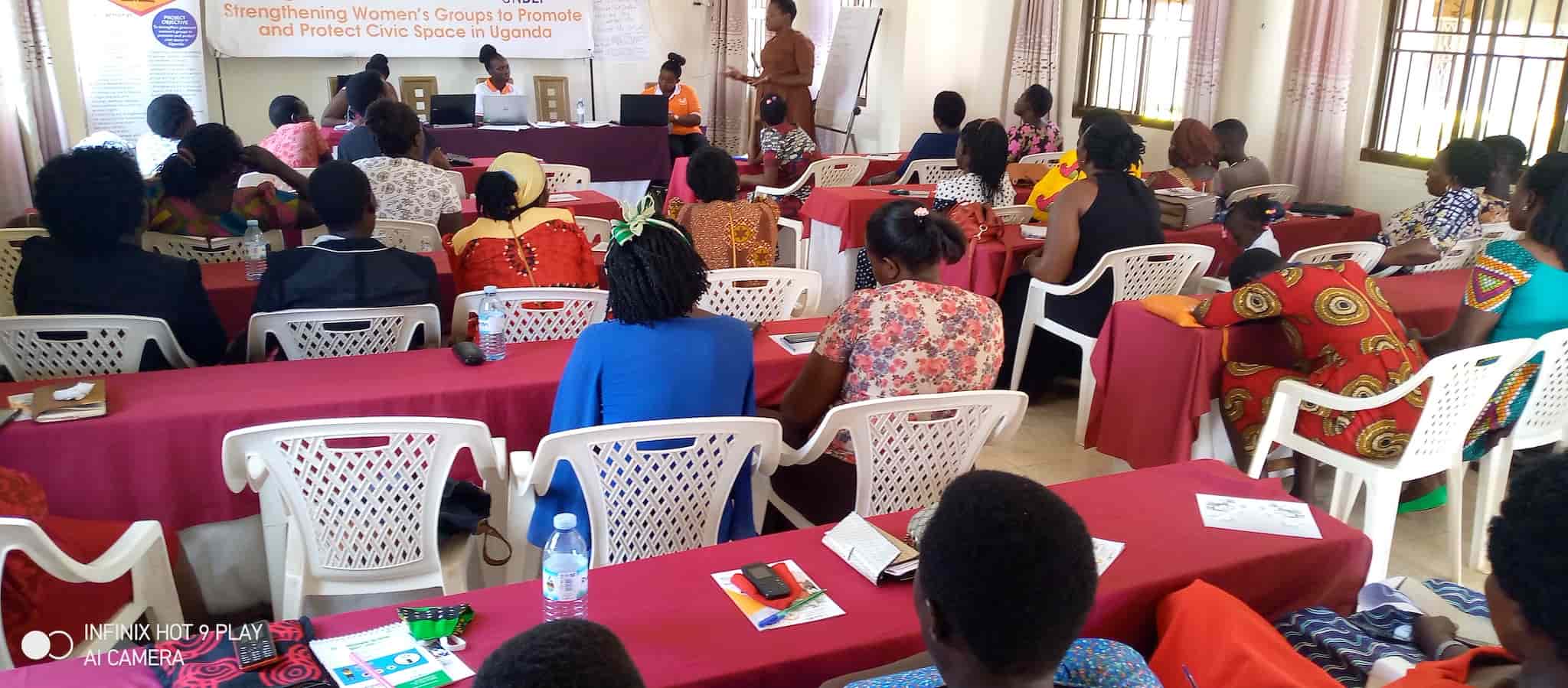
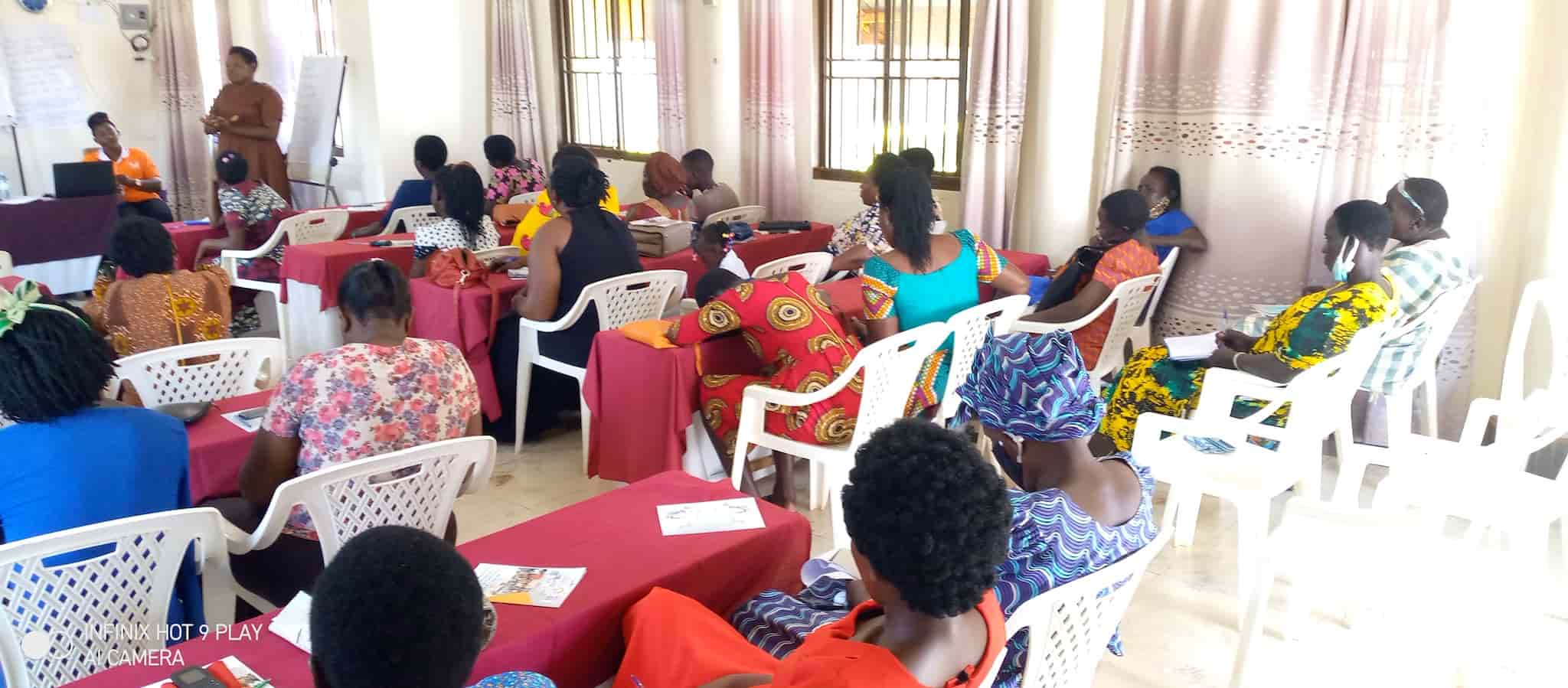
Build capacity of environmental and climate justice activists to develop popular and political education on water justice struggles in Uganda. Capacity building for water justice activists focuses on empowering grassroots leaders—particularly women and marginalized communities to secure equitable, sustainable, and rights-based access to water. This involves strengthening local advocacy, technical skills, and institutional knowledge to challenge privatization, manage resources and influence policy.
Security and Protection of Water Activists
Security and protection for water justice activists is critical as these individuals often face risks from resisting privatization, pollution, and land-grabbing, particularly in urban communities where they defend water commons against corporate interests. Protection mechanisms for these defenders include legal empowerment, financial support for grassroots organizing, and international advocacy to recognize water as a human right.
Contact Us
Address
Plot 288/289, AWAJU House, Mukono Uganda
Call Us
+256 (0) 757175162
Email Us
info@awaju.org